


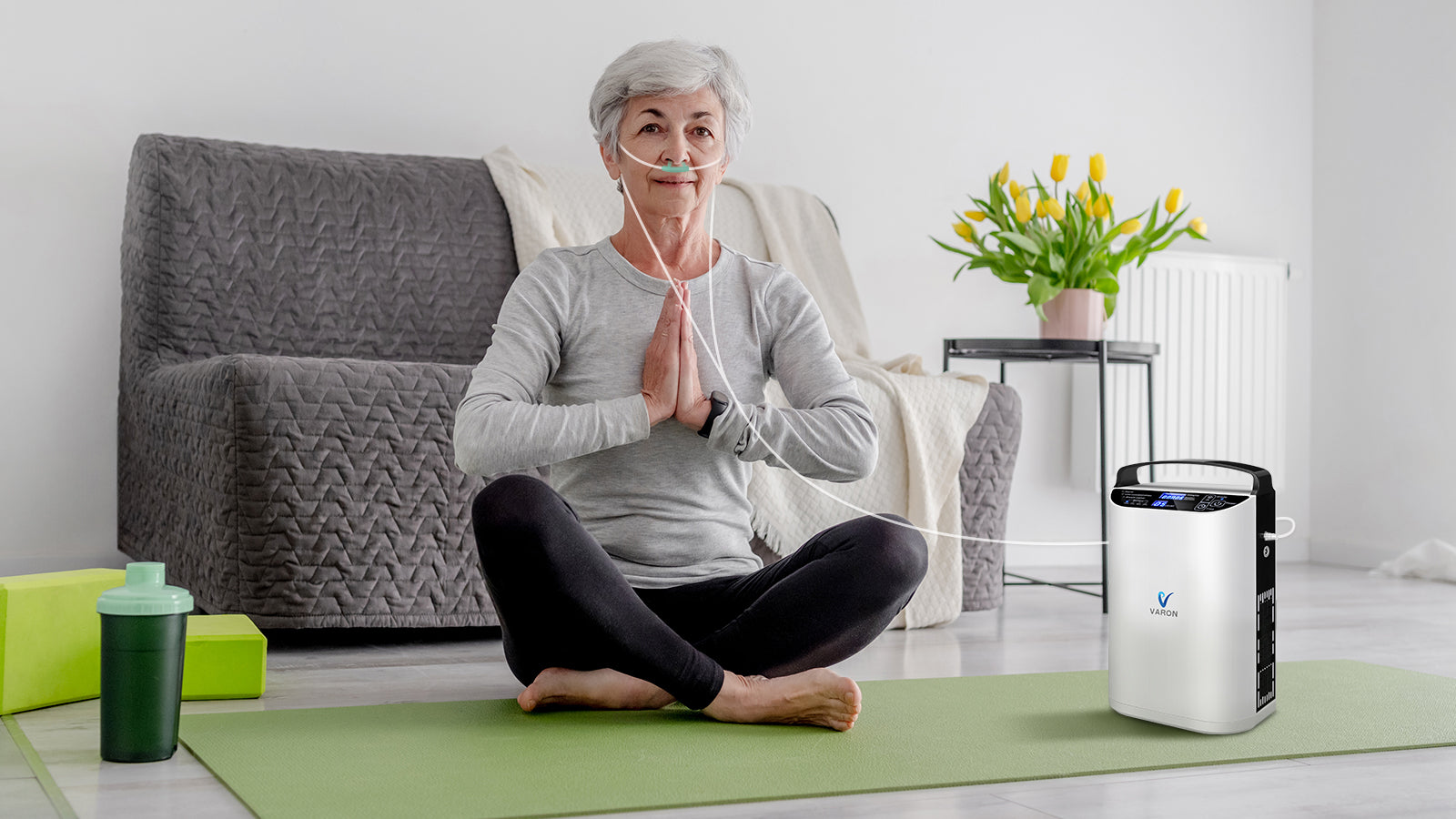
Have you ever thought about how important oxygen is to the functioning of the body ? You can live weeks without food and days without water, but only minutes without oxygen. Oxygen is the fuel of life – what keeps the heart beating, the brain sharp and the muscles strong. Without enough oxygen, the body cannot function optimally, and even small imbalances can affect energy, concentration and general well-being.
In this article, we will explore why oxygen plays such a central role in the body's function , how you can improve your natural oxygen balance, and what benefits it provides for your health and everyday life.

What does oxygen do in the body?
Oxygen is essential for almost all of the body's biological processes. When you breathe in, oxygen is transported via the blood to every cell, where it is used to create energy through what is known as cellular respiration.
| Body part | The role of oxygen | Effect of deficiency |
|---|---|---|
| Brain | Supports focus and memory | Fatigue, headache, dizziness |
| Muscles | Helps with movement and endurance | Cramps, weakness |
| Heart | Keeps blood circulation going | Shortness of breath, rapid pulse |
| Immune system | Promotes cell renewal | Slow recovery |
In short: Oxygen gives the body the energy to function, think and move. When oxygen levels are optimal, you feel more alert, focused and balanced.
Modern lifestyle and low oxygen intake
Our modern lifestyles often affect how much oxygen the body actually receives. Many people spend most of their day indoors, surrounded by sedentary work, poor air quality and stress. These factors can reduce the body's ability to absorb and utilize oxygen efficiently.
Typical signs of low oxygen intake:
-
Constant fatigue or low energy
-
Headache and difficulty concentrating
-
Difficulty sleeping or waking up refreshed
-
Feeling restless or getting tired quickly
By paying attention to these signals, you can start taking small steps towards better oxygen balance and thus a healthier body.

Oxygen and physical performance
For those who lead active lifestyles — especially cyclists, runners, and fitness enthusiasts — oxygen plays a crucial role in performance and endurance. When you exercise, your muscles need more oxygen to produce energy. The better your body is at absorbing and using oxygen, the longer and more efficiently you can perform.
Benefits of high oxygen uptake during exercise:
-
Faster recovery after physical activity
-
Better endurance and muscle strength
-
Increased energy levels and less fatigue
-
Improved breathing and blood circulation
Therefore, many athletes focus on oxygen optimization through proper breathing, exercise in fresh air, and relaxing breathing exercises.

How to naturally improve your oxygen balance
It doesn't take much to boost your body's oxygen uptake. Small changes to your daily habits can make a big difference.
Here are some simple ways to get more oxygen:
-
Get some fresh air: Spend at least 30 minutes outdoors daily.
-
Practice deep breathing: Try slow and deep breaths to oxygenate the blood.
-
Keep your body active: Regular exercise increases lung capacity.
-
Eat oxygen-rich foods: Fruits, vegetables, and whole grains promote oxygen transport.
-
Get enough sleep: Quality sleep helps the body regulate breathing.
These simple steps can boost your energy and help you feel more alive and focused in everyday life.

Oxygen and mental health
Oxygen is not only important physically, but also mentally. The brain uses about 20% of the body's total oxygen. A stable oxygen level promotes calm, clarity and focus. Many people find that better oxygen balance can reduce stress and improve mood.
If you often feel heavy, tired or unfocused, it may be a sign that your body needs more oxygen. Mindful breathing and time in nature can be a simple and effective solution.
Important takeaways
-
Oxygen is the fuel of life, which powers the body's functions .
-
Low oxygen levels can lead to fatigue, stress, and decreased performance.
-
An active lifestyle and healthy diet help the body absorb oxygen better.
-
Small daily habits like fresh air and deep breathing significantly improve your well-being.
By understanding and appreciating the role of oxygen, you can create balance, energy and health in your everyday life.

Frequently Asked Questions (FAQ)
Q1: Why is oxygen so important to the body?
Oxygen is necessary for cells to produce energy. Without oxygen, the body cannot perform its basic functions.
Q2: How do I know if I am getting enough oxygen?
If you often feel tired, dizzy or have difficulty concentrating, it could be a sign of low oxygen uptake. Being active and getting fresh air can help.
Q3: Can oxygen levels affect my sleep?
Yes. Proper oxygenation of the blood improves sleep quality and helps the body recover during the night.
Q4: Are there natural ways to increase oxygen intake?
Yes, through exercise, deep breathing, a healthy diet, and an active life, you can increase your body's oxygen intake naturally.

Conclusion: Breathe, Live Better
Oxygen is much more than just something we breathe in – it’s the essence of life. When your body gets the right amount of oxygen, everything functions better: you think clearer, move more easily and feel more energetic.
Understanding the importance of oxygen and its role in the body's functioning is the first step towards a healthier and more balanced lifestyle. Remember that small changes – like breathing deeply, moving more and enjoying fresh air – can make a huge difference to your well-being.